
Many consider using a manual hoist a simple task that requires little expertise. However, for professional lifting and rigging, there is much to learn about the types and safety precautions for proper hoist handling. This article will dive into these topics and give you a step-by-step guide for using a hoist for lifting, as well as safety practices and maintenance steps for this essential lifting equipment.
Basics and Types of Manual Hoists
A manual hoist is a hand-operated lifting device that uses میکانی فائدہ to let workers move heavy loads with controlled effort during material handling.
The most common example is a دستی سلسلہ لہرانا. It lifts loads by pulling a hand chain, which turns internal gears.
کلیدی اجزاء اور وہ کیسے کام کرتے ہیں۔
Despite different designs, most manual hoists share core parts that control lifting and safety.
| اجزاء | فنکشن |
|---|---|
| ہاتھ کی زنجیر | Pulls to drive the lift mechanism |
| لوڈ چین | Supports the weight being lifted |
| Gears and pulleys | Multiply force to reduce effort |
| وقفے کا نظام | Holds the load in place when pulling stops |
| Lifting hook | Connects the hoist to the load |
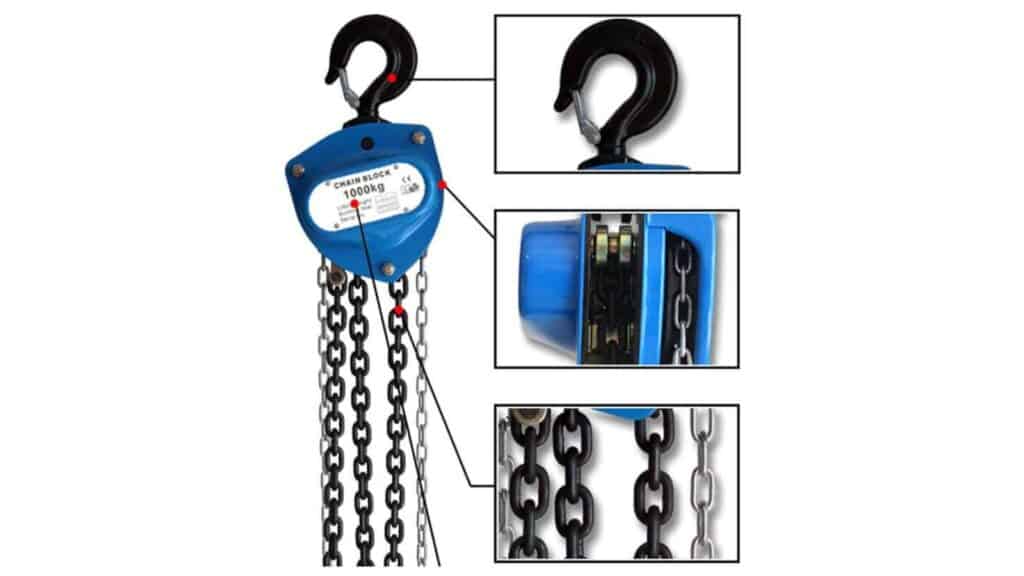
When the user pulls the hand chain, the gears turn and move the load chain. The brake system engages automatically to prevent slipping. This setup allows دستی سلسلہ hoists to lift heavy loads with steady, controlled motion.
Types of Manual Hoists
Manual hoist types available in rigging and lifting vary by design and use. Each type fits a specific task and space.
- دستی سلسلہ لہرانے والا: Hang from a beam or frame and lift straight up and down with chains.
- لیور لہراتے ہیں۔: Use a short handle for pulling, tensioning, or positioning loads.
- Mobile hoists: Sit on wheeled frames and move loads or people across floors.
- Ceiling hoists: Mount to overhead structures and run along fixed tracks.
Step-by-Step Instructions: How to Use a Manual Chain Hoist
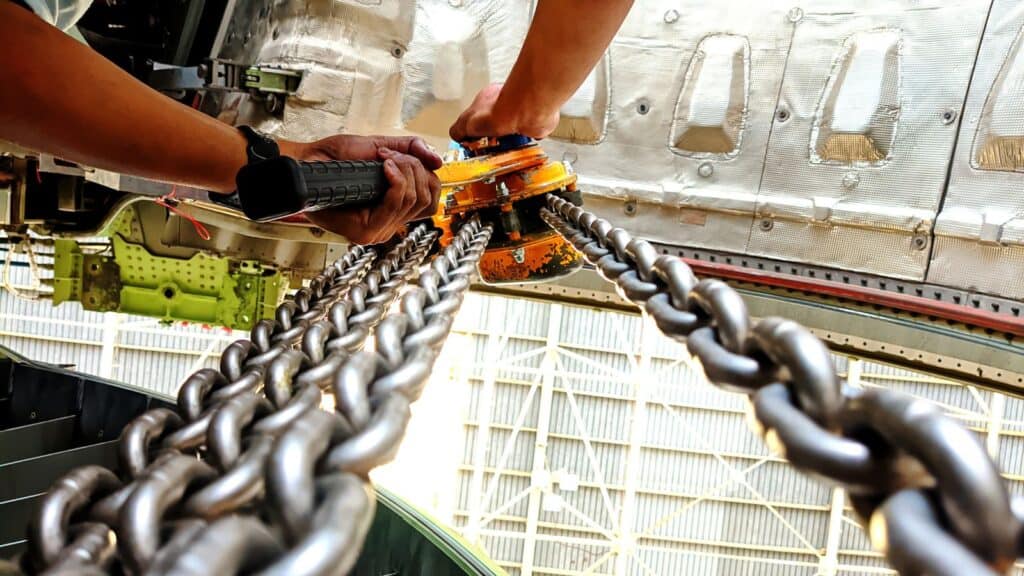
Using a manual hoist requires careful setup, secure rigging, and controlled lifting. Each step focuses on safety, load control, and steady hoist operation to reduce risk during دستی ہینڈلنگ.
Preparing the Work Area and Equipment
First, you should clear the area under and around the hoist before starting. No one should stand below the load path, and the floor should be dry, level, and free of tools or debris.
Then, you need to inspect the manual hoist before use. This check includes the chain, hooks, latches, and brake. The hoist must be securely attached to anchor points, and show its rated load clearly.
Finally, before commencing operations, you have to test the hoist without a load. The chain should move smoothly, and the brake should hold when the chain stops. Any damage or strange noise means the hoist should not be used.
Attaching and Securing the Load
During this step, you position the hoist properly, which supports smoother operation and helps prevent swinging during lifting and lowering.
Remember to choose approved rigging equipment, such as پھسل or طوق, that matches the load type and weight. All rigging must sit correctly in the hook and allow the safety latch to close.
لفٹنگ آپریشن
The load is lifted by pulling the hand chain in a smooth, steady motion. Controlled lifting reduces stress on the hoist and supports safe lifting practices. You should lift the load for a short distance first, and pause to confirm balance, brake function, and load control before continuing.
Safe Lifting Techniques for Manual Hand Chain Hoist
Safe use of a manual hoist depends on correct body position, steady movement, and clear coordination. The operator controls the load at all times, checks limits, and prepares for problems before they start.
Effective Lifting Techniques
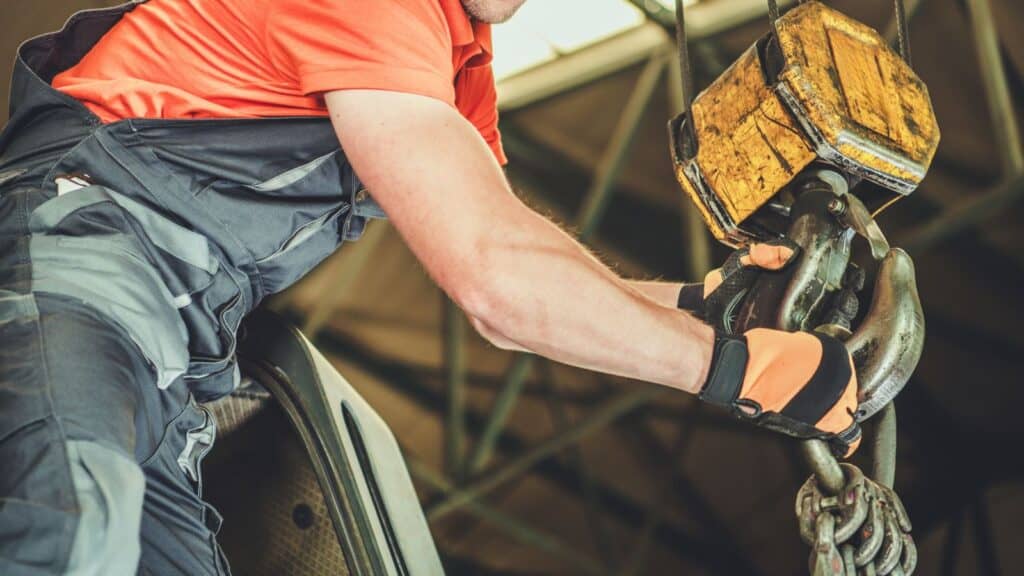
مناسب lifting techniques reduce strain and prevent sudden load movement. The operator is required to stand directly under the hoist’s line of pull and keep feet shoulder-width apart.
Key lifting technique rules include:
- Keep the hoist vertical over the load
- Pull the hand chain smoothly, without jerks
- Lift in short strokes to maintain control
- Stop if resistance changes or sounds occur
Also, it is important to check the rated load before lifting and never exceed the weight limit. Controlled lifting protects the hoist, the load, and nearby workers. If the load catches or shifts, the operator lowers it and resets the rigging before trying again.
Load Control and Balance
Good load control prevents swing, spin, and side pull. You should center the hook over the load’s balance point (or center of mass) before lifting to avoid side loading because it stresses chains and hooks.
A balanced load should:
- Hang in a leveled position
- Stay aligned with the hoist
- Move without sway
If incidents occur or the load fails, you should follow emergency procedures to lower the load. Normally this is done by clearing any unnecessary personnel from the vicinity of the load, and haulting the pull to let the load settle with controlled speed.
مواصلات اور ٹیم ورک
Clear communication supports best practices and safe timing. When more than one person works the hoist, one person leads the lift. That person gives clear signals and controls the pace.
عام قوانین میں شامل ہیں:
- استعمال simple hand signals or short verbal calls
- Always confirm readiness before lifting
- Stop work if signals fail
Team members stay in sight of the operator and keep a safe distance. Be sure to report hazards at once, such as damaged rigging or blocked paths.
بحالی اور ذخیرہ
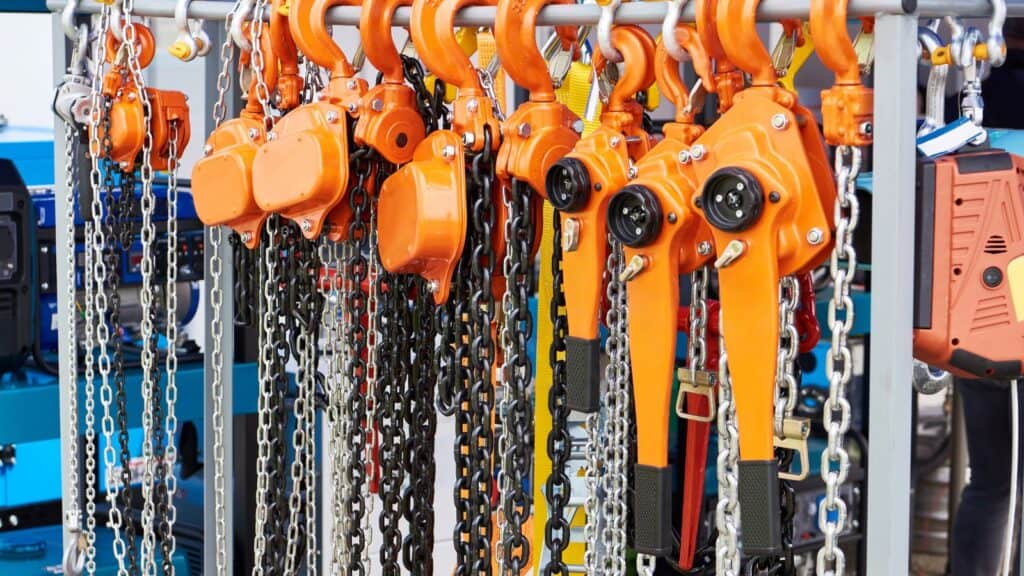
Good maintenance keeps a manual hoist safe and reliable. Regular care, careful checks after use, and proper storage reduce wear and prevent failure during lifting tasks.
معمول کی دیکھ بھال کے کام
Routine maintenance focuses on parts that carry load and control movement. You should follow a simple معائنہ چیک لسٹ on a set schedule.
- زنجیر صاف کریں۔ to remove dirt, grit, and moisture. Wipe it dry after cleaning.
- Lubricate the load chain and chain wheel with light oil. Do not over-oil, since excess oil attracts dust.
- Check the brake system for smooth holding action during lifting and lowering.
- Inspect hooks for cracks, bending, or a missing safety latch. Replace damaged hooks at once.
Post-Use Inspection and Troubleshooting
A post-use inspection helps catch damage before the next lift. It should happen after every job, even short lifts.
This process mainly consists of examining the chain for twists, stretched links, or rust spots, and pulling the hand chain through a full cycle to confirm smooth movement.
Common issues and responses include:
| مسئلہ | ممکنہ وجہ۔ | اس سے کیسے نمٹا جائے |
|---|---|---|
| Chain hard to pull | Dry or dirty chain | صاف اور چکنا |
| Load slips | Worn brake parts | Remove from service |
| ناہموار اٹھانا | Twisted chain | Re-seat or replace chain |
عمر بڑھانے کے لیے مناسب ذخیرہ
Proper storage protects the hoist when it is not in use. Before storage, you should wipe the hoist clean and apply a light coat of oil to exposed metal parts. Make sure manuals and maintenance records are kept in order, for they support consistent maintenance and safe operation over time.
Hanging the hoist or placing it on racks in a dry, indoor space with steady airflow is the solution. Also, the load chain should rest fully lowered and free of tension. This position reduces stress on the brake and gears.
نتیجہ
Although a manual chain hoist is indeed a simple mechanical device, operating it is more than just “pulling the chain.” Now that you have read through our blog, you can understand the key components and the structured lifting procedure better, which greatly reduces the risk of accidents and equipment damage.
اکثر پوچھے گئے سوالات
What is the correct procedure for operating a manual chain hoist?
- Position the hoist so the load hook is directly above the load’s center of gravity to avoid side pull.
- Attach suitable rigging (slings, shackles, etc.) and make sure the hook latch fully closes.
- Remove slack from the rigging and do a short test lift to confirm balance and brake function.
- Lift by pulling the hand chain in a smooth, steady motion, keeping your body aligned with the line of pull.
- When lowering, control the descent slowly and steadily, keeping bystanders clear of the load path.
What are the essential safety checks before using a manual chain hoist?
Before each use, you should complete a quick but thorough safety check:
- Visual inspection of the hoist: Look for bent or cracked hooks, deformed or stretched chain links, corrosion, missing safety latches, and any obvious damage to the hoist body.
- Chain condition: Ensure the hand chain and load chain move freely, without kinks, twists, or tight spots. Check for rust or contamination with dirt and debris.
- Brake function: Test the hoist without a load by pulling the hand chain through a full cycle and confirming the brake holds when you stop pulling.
- سپورٹ ڈھانچہ: Confirm that the beam, trolley, or frame is rated to handle at least the full load plus a safety margin, and that all attachment points are secure.
- کام کا علاقہ: Make sure the area under and around the lift is clear of people, tools, and obstacles, and that the floor is dry, level, and not slippery.
Any sign of damage, unusual noise, or inconsistent brake action means the hoist should be removed from service and inspected by a qualified person before use.
How should I attach and position the load on a manual chain hoist?
Best practices for attaching and positioning the load focus on balance, alignment, and secure rigging:
- Choose the right rigging: Use slings, shackles, and other fittings that are rated for at least the load weight and compatible with the hoist hook size and shape.
- Center the hook: Position the hoist so that the load hook is directly above the load’s center of mass. This minimizes side loading and helps the load lift straight up.
- Correct sling placement: Arrange slings so they are not twisted, knotted, or trapped over sharp edges without protection. Make sure angles are within manufacturer limits to avoid overloading the slings.
- Secure engagement: Seat the rigging fully into the hook bowl, never on the hook tip, and ensure the safety latch closes completely.
- Check for balance: Take up slack and perform a short trial lift just off the ground to confirm that the load hangs level, stays aligned with the hoist, and does not swing or rotate excessively. Lower and readjust rigging if needed before continuing the lift.
Can a manual chain hoist be operated by one worker alone or with multiple workers?
Both are possible, a single trained person can usually operate a manual chain hoist, as long as the hoist and load are within rated limits and the work area is controlled. When more than one person is involved, clear coordination is essential:
- Designate one person as the lift leader or signaler.
- Use simple, agreed-upon hand signals or short verbal commands for “lift,” “lower,” “stop,” and “emergency stop.”
- Ensure all team members are in sight of the operator and stay out of the load path and pinch points.
- Stop the operation immediately if communication is lost, the load shifts unexpectedly, or any hazard is observed.
Strong communication and defined roles help prevent confusion and reduce the risk of accidents during complex or shared lifts.