
Lifting heavy steel plates, bars, or blocks by hand takes time and risks injury. A lifting magnet solves this problem by using magnetic force to attach to ferrous materials and move them safely. It works by creating a controlled magnetic field strong enough to hold and lift metal objects without the need for hooks, chains, or manual effort.
Understanding how these magnets work makes it easier to see why they are so common in many scenarios. From the basic design to the factors that affect performance, we at Grandlifting will demonstrate details that play a role in how effectively they move metal with precision and control.
What Are Lifting Magnets?
Lifting magnets use magnetic force to handle heavy metal objects safely and efficiently. They reduce the need for manual labor while moving steel plates, rods, bars, or scrap in industrial settings.
Definition and Basic Function
A lifting magnet is a device designed to lift and move ferrous materials using magnetic attraction. It attaches securely to the surface of steel objects without the need for clamps, slings, or hooks. This makes it faster and safer to handle heavy loads.
There are several types of lifting magnets, the two main types are:
- Permanent magnets: Always magnetic and do not require power.
- Electromagnets: Use electric current to create a magnetic field.
By creating a strong magnetic field, the magnet grips the load until it is released either by switching off the current (in electromagnets) or by mechanical release (in permanent types), or by a pulse of current (electro-permanent). This controlled function improves safety and efficiency in material handling.
Common Applications
Lifting magnets are widely used in industries that process or transport steel. They are common in manufacturing plants, shipyards, warehouses, and recycling facilities. Workers use them to move steel sheets, pipes, beams, and scrap metal quickly and with less risk of injury.
In steel mills, magnets are used for lifting hot or heavy slabs that would be difficult to handle with traditional lifting gear. In machine shops, smaller lifting magnets help position steel parts for cutting or welding.
They also improve workflow in shipping yards by loading and unloading steel cargo. Recycling centers rely on them to sort and move scrap metal efficiently.
By reducing manual handling and minimizing the need for chains or hooks, lifting magnets save time and lower the chance of accidents. This makes them an essential tool wherever large amounts of ferrous materials must be lifted and transported.
Types of Lifting Magnets
Lifting magnets are designed in different forms to match specific industrial needs. Some rely on built-in magnetic materials, while others depend on electric current to generate lifting force. Each type has unique strengths, limitations, and safety considerations.
Permanent Lifting Magnets
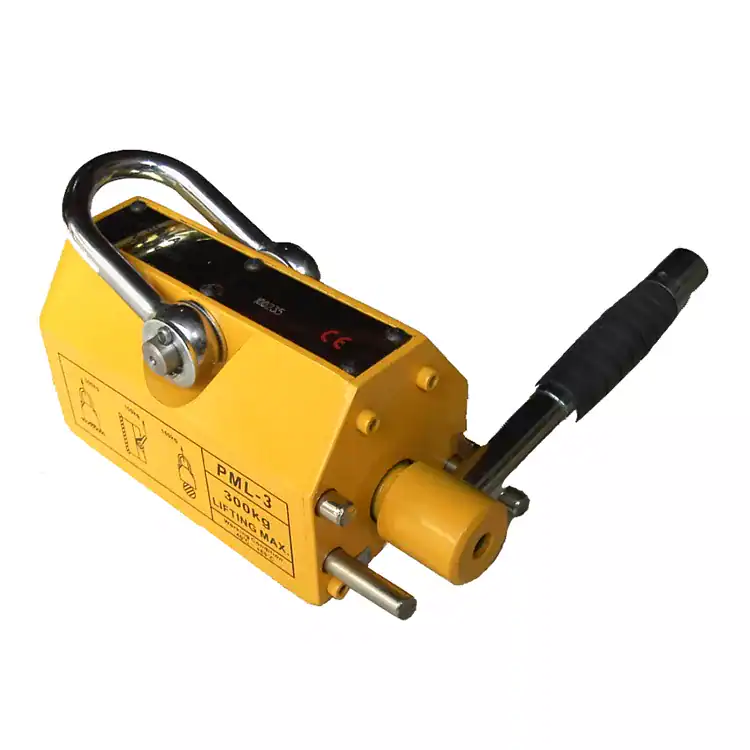
A permanent lifting magnet or permaent magenetic lifter uses a magnetized core, often made from rare earth materials or ferrite, to create a constant magnetic field. It does not require electricity to maintain its hold, which makes it energy-efficient and reliable in environments where power loss is a concern.
Operators typically engage or disengage the magnet using a manual lever. This feature allows them to switch between holding and releasing loads without external power. Because no ongoing current is needed, these magnets are portable and simple to use in workshops, warehouses, and small factories.
Permanent lifting magnets work best with flat or round ferrous materials like steel plates, rods, or pipes. Their lifting capacity is limited compared to electrically powered options, so they are often used for lighter to medium loads.
Key advantages:
- No continuous power supply needed
- Portable and easy to operate
- Low maintenance and durable
Limitations:
- Lower lifting capacity than electro lifting magnets
- Less effective on rough or coated surfaces
Electro Lifting Magnets
An electro lifting magnet generates its force by passing direct current through coils of wire. This current creates a strong magnetic field that can be controlled by switching the power on or off. Because the field strength depends on the current, operators can lift heavier loads than with permanent magnets.
These magnets are well-suited for moving steel bundles, pipes, or large plates in heavy industries such as shipbuilding, steel production, and recycling. The ability to adjust the magnetic force makes them flexible for handling different shapes and sizes of workpieces.
However, they require a constant electrical supply. Power failure can cause an immediate loss of magnetism, which may create safety risks. To reduce this risk, many systems includebackup batteries or uninterruptible power sources.
Key advantages:
- High lifting capacity
- Adjustable magnetic strength
- Suitable for large-scale industrial use
Limitations:
- Dependence on continuous power
- Higher operating costs
- Requires safety measures to prevent accidents during outages
How Permanent Lifting Magnets Work
A permanent lifting magnet uses strong magnet materials to hold and release ferromagnetic loads without electricity. Its function depends on the design of the main body, the rotor, and how the magnetic direction is controlled through a simple handle mechanism.
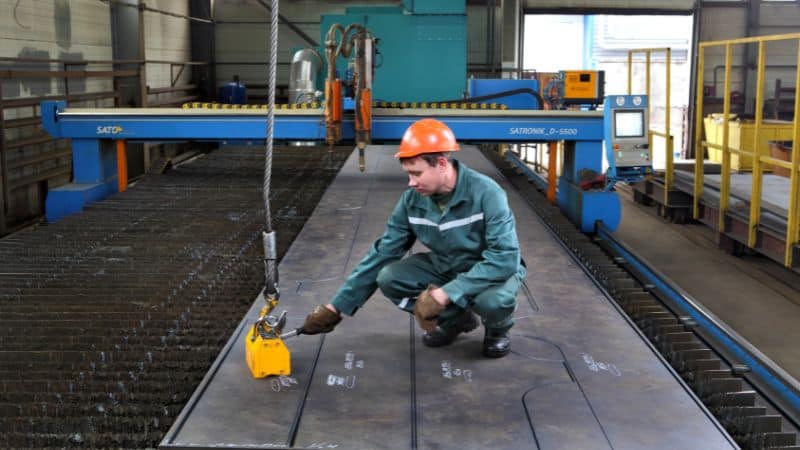
The main body of a permanent lifting magnet is built from high-grade magnet materials, such as neodymium magnets, along with steel parts that guide the magnetic flux. These materials create a compact yet powerful lifting device.
Inside the body is a rotor, which acts as a movable magnetic source. The rotor’s position determines whether the magnet projects flux outward to grip a load or keeps the field contained within the device.
When the rotor aligns with the body’s magnetic field, the flux flows through the poles into the workpiece. When set in the opposite direction, the fields cancel each other, preventing attraction. This simple arrangement allows the magnet to switch between active and inactive states without electricity.
How Electro Lifting Magnets Work
Electro lifting magnets use electrical energy to create a magnetic field strong enough to pick up heavy ferrous materials. Their design, the flow of electric current, and the ability to switch the magnet on and off safely are the main factors that determine how they operate in industrial environments.
Typically, an electromagnetic lifter is built around a ferromagnetic core, usually made of soft iron or steel. This core provides a pathway for magnetic flux and increases the strength of the field.
Around the core, manufacturers wind copper wire coils in multiple layers. These coils carry the electric current that activates the magnet. The number of turns and thickness of the wire directly affect lifting capacity.
The outer casing is often made of durable steel with protective plating, such as nickel, to resist wear and corrosion. This ensures the magnet remains reliable in harsh environments like scrap yards or demolition sites.
The main structure remains the same throughout different designs: a core, coils, and a housing that directs the magnetic field toward the load.
Key Performance Factors
The strength and safety of a lifting magnet depend on both the weight it can handle and the conditions of the materials being lifted. Proper use requires attention to rated limits, surface quality, and how the magnet makes contact with the load.
Lifting Capacity and Load Considerations
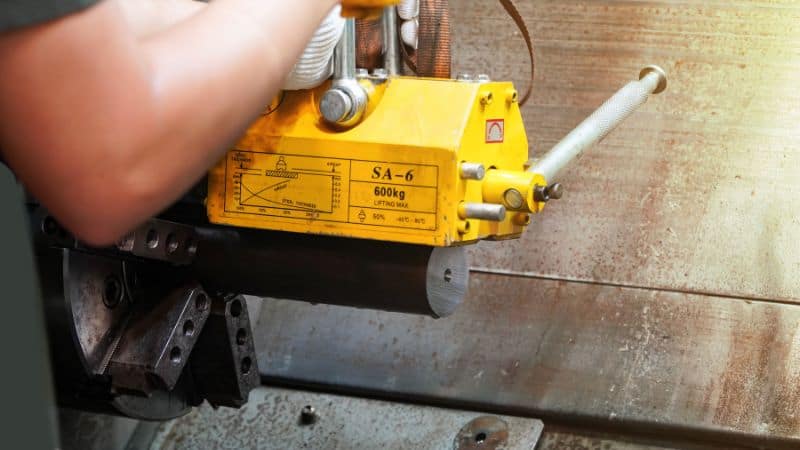
Every lifting magnet is designed with a rated lifting capacity, which defines the maximum weight it can safely handle under ideal conditions. Smaller magnets may support under 200 kilograms, while larger industrial models can lift several tons.
The type of ferrous material being lifted also matters. Thicker steel plates allow more magnetic flux to pass through, increasing holding strength. Thin sheets or irregular shapes reduce performance because the magnetic field cannot fully penetrate.
Operators must also consider the load’s shape and center of gravity. Uneven or unbalanced loads can slip even if the total weight is within the magnet’s rating. Using the correct magnet size and ensuring proper alignment helps reduce this risk.
For safety, it is standard practice to apply a safety factor—often using only 50–75% of the rated capacity. This accounts for less-than-ideal conditions and prevents overloading.
Impact of Air Gaps and Surface Conditions
An air gap between the magnet and the material greatly reduces lifting force. Even small gaps from rust, paint, or dirt can cut holding strength by half or more. Smooth, clean surfaces allow maximum magnetic contact.
Surface flatness is equally important. A magnet gripping a flat steel plate will hold much more securely than one contacting a rough or uneven surface. Poor contact reduces the effective magnetic area and weakens the lift.
Material coatings also play a role. Non-magnetic layers like oil, scale, or plating create separation between the magnet and the steel, lowering performance. Regular cleaning and inspection of both the magnet face and the load surface help maintain reliable operation.
Frequently Asked Questions
Can lifting magnets be used with all types of metals?
Lifting magnets only work with ferrous metals like steel and iron. Non-ferrous metals such as aluminum, copper, and stainless steel (in many grades) will not respond to magnetic lifting. The strength of the hold also depends on surface condition, thickness, and contact area.
How do you safely operate a lifting magnet?
Operators should always confirm the load weight is within the rated capacity of the magnet. Surfaces must be clean and free of rust, oil, or paint to ensure proper adhesion. Loads should be lifted and lowered in a controlled manner, with no one standing under suspended materials.
What maintenance is required for industrial lifting magnets?
Routine checks include inspecting for cracks, wear, or mechanical damage. The contact surface should be kept clean and smooth to maintain full magnetic grip. Battery-powered magnets require regular charging and testing, while all models should undergo periodic professional inspections and load testing.
Are there any safety risks associated with using lifting magnets?
Risks include dropped loads if the magnet is overloaded, used on unsuitable material, or not properly engaged. Power failures can affect electromagnets, so backup systems may be needed in critical lifts. Proper training, regular inspections, and following rated limits reduce these risks significantly.