
In this blog, we will jump right into the topic and show you how to use all the main types of chain hoists, click the table below to navigate to the part that you need:
- Universal Operation
- How to Use a Manual Chain Hoist
- How to Use an Electric Chain Hoist
- How to Use a Lever Hoist / Come-Along
How Different Types of Chain Hoists Affect Usage
Before we demonstrate how to use chain hoists, we have to determine what type of chain hoists are used, for their operations can vary greatly based on designs:
- Hand Chain Hoists: Operates by hand; you pull on the chain to lift and lower loads. This type is widely used due to its simplicity and portability.
- Electric Hoists: These hoists use electrical power to lift heavier loads quickly and with less physical labor from the operator. They often come with a remote control or buttons, ideal for frequent or more demanding lifting tasks.
- Pneumatic Hoists: Powered by compressed air, they are used in environments where electricity might pose a risk, such as explosive or flammable atmospheres.
- Lever Chain Hoist: Instead of lifting by pulling directly on the chain, you operate a lever to lift the load. This type is especially handy for use in tight spaces or for horizontal pulling.
Basic Chain Hoist Usage: The Universal 4 Steps
No matter what type of hoist you are operating, the foundational rules of rigging and lifting remain the same. Before moving on to the specific mechanisms of your exact hoist, every operator must follow these universal preparation and execution steps:
Step 1: Anchor Point Selection & Pre-use Inspection
- Select a secure anchor point (ceiling mount, beam, or trolley) capable of handling the load’s maximum weight.
- Position the hoist directly above the load’s center of gravity to prevent dangerous swinging.
- Inspect hooks, latches, and lifting media (chains/straps) for wear or damage. Confirm all moving parts operate smoothly.
Step 2: Secure the Load
- Attach an appropriate sling, shackle, or rigging hardware to the hoist’s bottom hook.
- Rig the connection properly so the load is evenly distributed and fully supported. Ensure the safety latches on the hooks are completely closed.
Step 3: Execute a Safe Lift
- Maintain a clear path. Ensure the load will not hit obstructions and that no personnel are standing underneath or near the lifted load.
- Never exceed the rated load capacity marked on the hoist body.
Step 4: Post-Operation & Storage
- Once the load is safely lowered and detached, clean any debris from the hoist.
- Store the hoist and rigging equipment in a clean, dry place to prevent corrosion.
Usage Guides & Special Precautions for 4 Different Hoists
Because designs vary greatly, the exact way you lift the load depends on your equipment. Click on your specific hoist type below to see its unique operation methods and safety precautions.
How to Use a Manual Chain Hoist
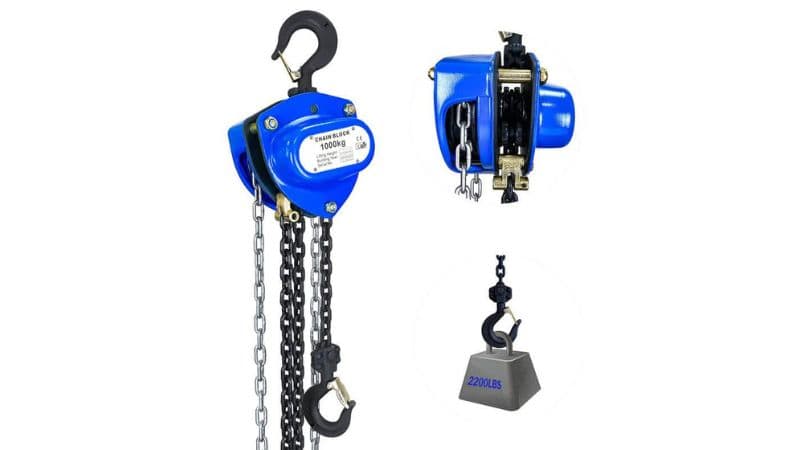
To safely operate a manual hoist, please ensure you have first completed the [Universal 4 Steps above] for anchoring and rigging. Once secured, proceed with the following manual operations:
Specific Operation & Precautions:
- Hand-over-Hand Motion: Pull down on the looped hand chain using a steady, hand-over-hand motion. The internal gear mechanism will multiply your force to lift the load chain.
- Controlled Descent: To lower the load, pull the opposite side of the hand chain. Never let the chain slide freely through your hands, as this can cause friction burns and loss of load control.
- Trust the Brake: The internal braking system is designed to automatically hold the load in place the moment you stop pulling the chain.
- Precaution: Never use two people to pull the hand chain, and never hang additional weight on the chain to gain leverage. If it cannot be lifted by one person’s normal pulling force, the load is too heavy for the hoist.
How to Use an Electric Chain Hoist
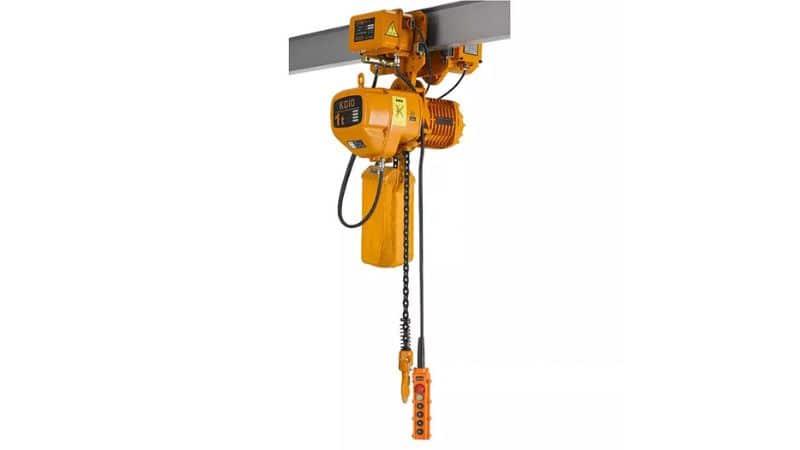
To safely operate an electric hoist, please ensure you have first completed the [Universal 4 Steps above] for anchoring and rigging. Once secured, proceed with the following electrical operations:
Specific Operation & Precautions:
- Power Connection: Plug the hoist into an appropriate power source (wall outlet or dedicated breaker panel) that matches the hoist’s voltage requirements.
- Pendant Control: Use the built-in pendant or remote-control button station. Press the “Up” or “Down” buttons to engage the motor.
- Jogging the Motor: Start and stop the hoist gently (known as “jogging”) to prevent the load from swinging violently or stressing the internal motor components.
- Precaution (Limit Switches & Overload): While many electric hoists feature limit switches to prevent over-travel, do not use them as routine stopping devices. Additionally, if the hoist stops mid-operation, check for error codes—it may have triggered an overload protection sensor. Ensure electrical components are kept completely dry.
How to Use a Pneumatic (Air) Hoist
To safely operate a pneumatic hoist, please ensure you have first completed the [Universal 4 Steps above] for anchoring and rigging. Once secured, proceed with the following air-powered operations:
Specific Operation & Precautions:
- Air Supply Connection: Connect the hoist to an air compressor. Ensure the air pressure (PSI) and flow rate (CFM) match the manufacturer’s exact specifications.
- Variable Speed Control: Pneumatic hoists are controlled via a pendant or pull-cord. The harder you pull or press, the faster the lift. This allows for incredibly precise, feathered load placement.
- Precaution (Lubrication & Spark Safety): Because they use no electricity, these are ideal for flammable or explosive environments. However, the air supply must be properly filtered and lubricated to prevent the internal air motor from rusting or seizing. Always listen for unexpected air leaks before lifting.
How to Use a Lever Hoist / Come-Along
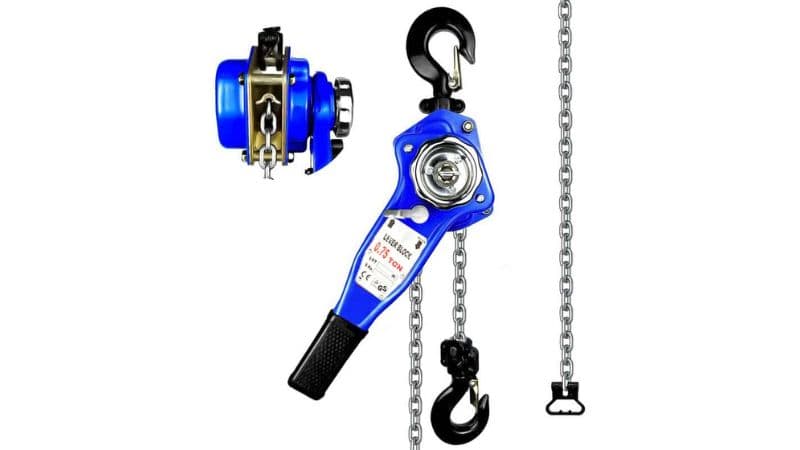
To safely operate a lever hoist, please ensure you have first completed the [Universal 4 Steps above] for anchoring and rigging. Once secured, proceed with the following lever operations:
Specific Operation & Precautions:
- Horizontal or Vertical Use: Unlike standard chain hoists, lever hoists are highly versatile and are often used for horizontal pulling, tensioning, or operating in exceptionally tight spaces.
- Engaging the Lever: Set the directional switch to “Up” (to lift/pull) or “Down” (to lower/release). Then, ratchet the handle back and forth. The internal ratcheting gear will move the chain click by click.
- Freewheeling Mode: Many lever hoists have a neutral setting that allows you to pull the chain freely by hand to quickly attach it to the load before tensioning.
- Precaution (The “Cheater Pipe” Rule): Never slide a pipe over the lever handle to increase your leverage. The handle length is intentionally designed to match the hoist’s maximum capacity. If you need a pipe to crank it, you are overloading the hoist.
Accessories and Additional Tools: When You Need Them & Why
Using the right accessories is the very basis of controlling the load, protecting the equipment, and preventing common rigging mistakes. The decisions should be based on the load shape, lift path, and anchor point, and always verify every component is rated for the lift and in good condition before use.
Load Connection (Rigging Attachments)
These are used to connect the hoist’s bottom hook to the load safely and keep the load stable.

1. Lifting Slings (chain, wire rope, synthetic web/round slings)
Use slings when the load has no lifting eye or when you need better balance. Slings help you:
- center the load under the hoist (reduce swinging and side-loading),
- protect the load surface (synthetic slings are gentler),
- lift awkward shapes using common hitches (basket/choker/vertical) as appropriate.
2. Hooks (specialty hooks / replacement hooks)
Use the correct hook style when the load has specific lifting points. Prioritize hooks that:
- match the load attachment point correctly,
- have a functioning safety latch,
- are sized so the load seats in the bowl of the hook (not on the tip).
Quick rule: if you find yourself “forcing” the connection, you likely need a sling/shackle setup instead of a direct hook-on.
Connection Hardware (Rigging Hardware)
These components connect slings to hooks and adapt different attachment points without unsafe improvisation.
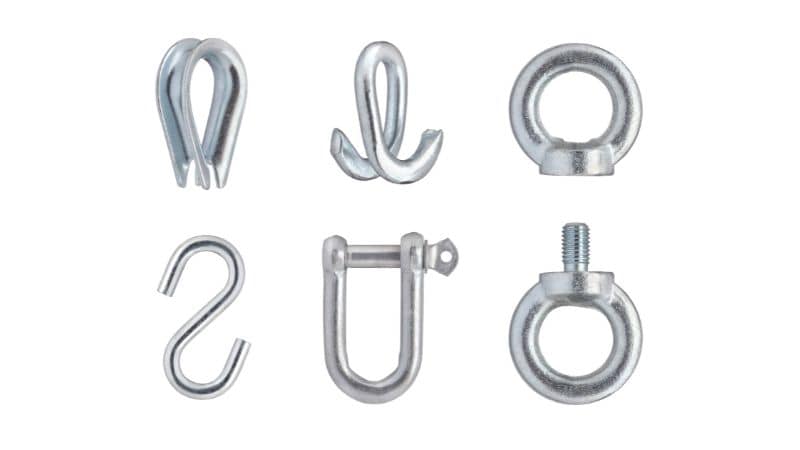
1. Shackles (anchor/bow shackles)
Use shackles to connect slings to lifting lugs, eyebolts, or other hardware when a hook won’t seat properly. They’re especially useful when:
- you need a clean, centered connection,
- the sling eye is too thick for the hook,
- you must avoid loading the hook latch or tip.
2. Beam Clamps / Trolleys (for overhead beams)
Use these when your “anchor point” is a beam and you need a safe suspension point for the hoist. Beam clamps and trolleys can help:
- create a rated and repeatable hanging point,
- (with a trolley) move the load horizontally along the beam instead of dragging or side-pulling.
Load Control & Shape Protection (Stability Tools)
These tools are about preventing rotation, crushing, or uncontrolled movement during the lift.
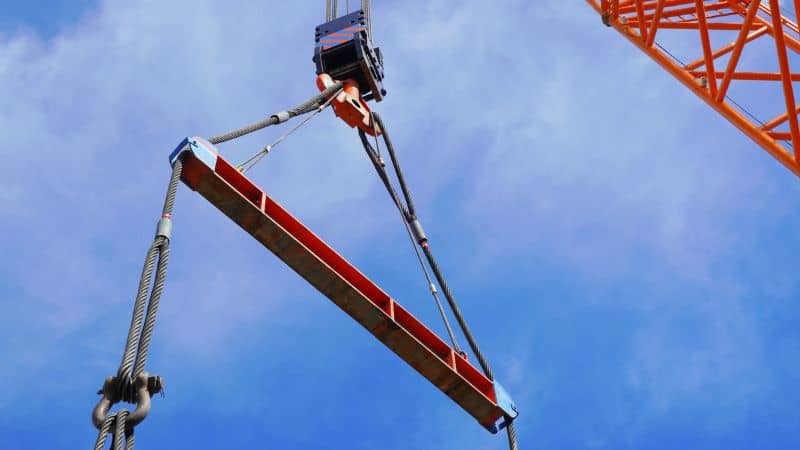
1. Spreader Bars
Use a spreader bar when lifting long, flexible, or fragile loads (sheet metal, glass crates, long frames) to:
- distribute force across multiple points,
- prevent bending/crushing,
- keep slings from squeezing inward and damaging the load.
2. Tag Lines (guide ropes)
Use a tag line when the load might rotate or swing. This allows a worker to guide the load from a safe distance without placing hands near pinch points.
Selecting the Right Chain Hoist from a Qualified Supplier
Choosing the right chain hoist is mainly about matching capacity to your heaviest lift and making sure your setup fits the job site.
- Know your maximum load weight. Base your choice on the heaviest item you will lift (not the average).
- Check load shape and handling needs. Awkward or long loads may require slings, spreader bars, or a trolley for better balance and control.
- Confirm rated capacity and allow a safety margin. The hoist’s WLL should meet or exceed your maximum load, and your anchor point/overhead structure must also be rated for the same or higher capacity.
- Consider the lift path. If visibility or obstacles are a concern, a remote-controlled option can improve control and safety.
Need help choosing the right capacity or hoist type for your material handling, load transports, and other applications? Explore Grandlifting’s chain hoist collections and procure premium chain hoists to match your load, environment, and duty cycle.