
Ratchet straps are one of the most common tools for fastening in various scenarios, but the unloading and storage of webbing can be labor-intensive, especially for larger bulks of goods that need to be tied down. That’s why retractable ratchet straps are designed to counter such problems. In this guide, we will start from the fundamentals of retractable ratchet straps and extend to their installation guide and applications.
Understanding Retractable Ratchet Straps
Key Components and Mechanisms
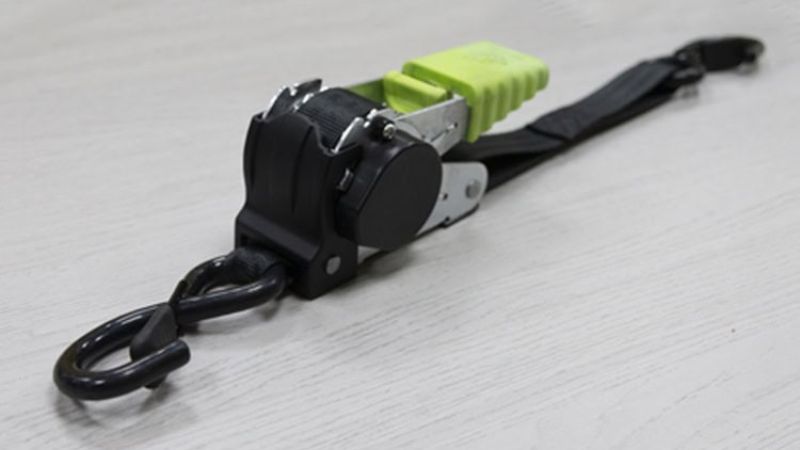
Retractable ratchet straps feature several main parts that work together to secure cargo. The webbing is usually made of strong polyester designed to resist stretching, moisture, and abrasion. This webbing connects to S-hooks or snap hooks, which latch onto anchor points in a truck bed or trailer.
The ratchet mechanism tightens the strap around the load. By moving the handle back and forth, users increase tension until the cargo is firmly held. Inside the housing, a spring-loaded spool automatically pulls excess webbing back into the casing. This auto-retracting mechanism keeps the strap neatly stored and prevents tangling.
A locking lever or release switch holds tension during transport. When released, the strap retracts smoothly, saving time during unloading.
Advantages over Traditional Ratchet Straps
Retractable straps offer several functional benefits that make them easier to use than standard ratchet straps. The built-in retraction system eliminates loose ends, which often flap or get caught during travel. This reduces wear on the webbing and improves safety by keeping extra material secure.
They also speed up the loading process. Users don’t need to roll straps by hand or untangle knots. Each unit stays compact and ready for the next job. The protective housing shields the ratchet mechanism from dirt and moisture, extending the lifespan of the components.
Because the tension control is consistent, it’s easier to apply even pressure to the load. This helps prevent overtightening, which can damage both the strap and the cargo. Overall, retractable tie-down straps improve convenience and reliability for frequent haulers.
Working Load Limit and Breaking Strength
Each ratchet strap includes key strength ratings that indicate its safe and maximum limits. The Breaking Strength (BS) measures the maximum load the strap can withstand before failure. The Working Load Limit (WLL) represents the maximum recommended weight it should hold during normal use.
| Rating | Description | Typical Use |
|---|---|---|
| Breaking Strength (BS) | Maximum tension before the strap snaps | Testing or emergency reference |
| Working Load Limit (WLL) | Safe everyday limit (usually 1/3 of BS) | Regular cargo transport |
Users should always match these ratings to the weight of their cargo. Ignoring WLL ratings can lead to strap failure or shifting loads. Checking the label on each retractable ratchet strap helps ensure the right choice for the job.
Selecting the Right Retractable Ratchet Strap
Types and Sizes for Different Uses
Retractable ratchet straps come in several widths, lengths, and load ratings. Common widths include 1 inch, 1.5 inches, and 2 inches. A 1-inch strap fits lighter loads such as bicycles or lawn equipment, while 2-inch options handle heavier cargo like motorcycles or ATVs. The working load limit (WLL) and breaking strength (BS) should both appear on the product label.
For quick reference:
| Strap Width | Typical Use | Working Load Limit (approx.) |
|---|---|---|
| 1 inch | Small tools, light gear | 500–800 lbs |
| 1.5 inches | Medium cargo, small ATVs | 1,000–1,500 lbs |
| 2 inches | Heavy cargo, motorcycles | 2,000+ lbs |
Retractable tie-down straps with durable polyester webbing resist stretching and UV damage better than cotton or nylon. A smooth retraction mechanism also saves time and prevents tangles after unloading.
Choosing Appropriate Hooks and Anchor Points
Hooks connect the strap to an anchor point, and the right match ensures security and safety. S-hooks or vinyl-coated hooks are common for light to medium loads because they fit easily into small tie-down rings or trailer rails. For larger cargo, flat hooks or snap hooks provide stronger engagement and reduce slipping.
Anchor points must be as strong as the strap itself. On trailers or pickup beds, welded steel rings, bolted D-rings, or factory-installed mounts are best. Weak tie-offs can bend or pull free during travel. Checking all hardware for rust, cracks, or loose bolts before loading prevents failure under strain.
When carrying tall or uneven items, users may need multiple anchor points to distribute tension. Each strap should pull in a straight line without twisting, keeping forces balanced across the load.
Step-by-Step Guide to Using Retractable Ratchet Straps
Inspecting for Safety and Functionality
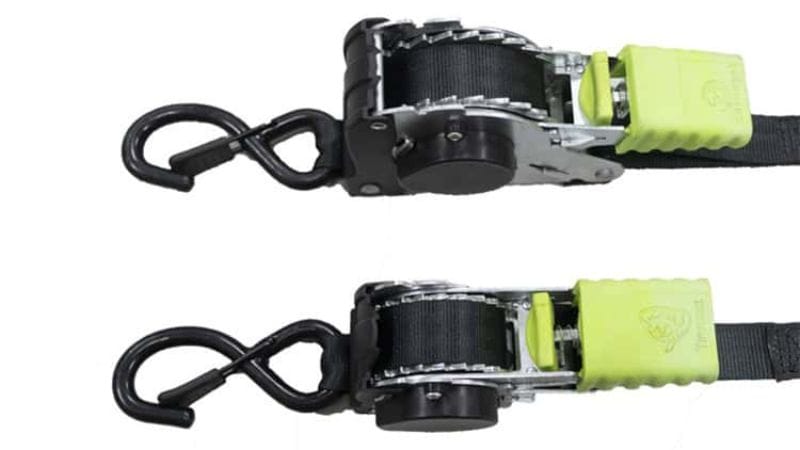
Before use, they should check every part of the ratchet strap. The webbing must be free of cuts, frays, or burn marks. Users should also inspect the ratchet handle, hooks, and retraction mechanism for smooth movement and any visible rust or debris.
Testing the retraction by pulling out and releasing the strap ensures it moves evenly and locks without slipping. If the strap binds or retracts weakly, cleaning or light lubrication of the moving parts may fix it. Padded handles and ergonomic grips should be secure and comfortable to hold, especially when applying tension.
When checking for functionality, they should verify that the label showing the Working Load Limit (WLL) is readable. This step takes only a minute but prevents most failures during use.
Attaching Hooks to Anchor Points
Each end of the retractable ratchet strap includes a hook designed to connect with anchor points on the vehicle or trailer. The hooks must attach to solid, fixed spots that can support the expected tension. Loose or weak anchors risk detachment during travel.
The strap should run straight across the load without twists. Flat and even positioning spreads tension evenly and prevents the strap from digging into the cargo. Users should make sure the hooks are fully seated and facing in a direction that maintains alignment with the pulling force.
If the hooks have safety clips, they should engage before tightening. For delicate surfaces, it helps to use protective padding to avoid scratches or dents. Sometimes, people add a short check tug after connecting the hooks to verify everything stays secure.
Adjusting and Tightening the Strap
Once attached, they should pull the strap’s free end until it feels snug, then begin tightening with the ratchet handle. The handle should move smoothly in short, controlled strokes until the webbing becomes firm. Using one hand on an ergonomic handle provides better comfort and control, especially when applying extra force.
Each click of the ratchet adds measured tension, so it’s easy to stop when resistance feels steady. Over-tightening can strain the strap or deform the load, so users should check as they go.
When finished, the ratchet handle must lock into place to prevent loosening. A quick shake test of the cargo confirms whether additional adjustments are needed before driving.
Releasing and Storing Retractable Ratchet Straps
Safely Releasing Tension
To release a retractable strap, the user must first unlock the ratchet handle to remove tension safely. They should stop tightening and hold the strap steady, then pull the release lever or button until the handle opens fully. This action disengages the gear and allows the tension on the durable webbing to relax.
Keep a firm grip on the handle during this process. Releasing it too quickly can cause the strap to whip back or the spool to spin unexpectedly. Checking that the load is stable and supported before releasing prevents sudden shifts in cargo.
A simple checklist helps ensure safe release:
- Step 1: Hold the handle and press the release lever.
- Step 2: Open the ratchet until it lies flat.
- Step 3: Allow webbing to naturally retract.
- Step 4: Guide the strap slowly back toward the housing.
Taking a few extra seconds to follow these steps protects both the strap and the user.
Auto-Retracting and Storage Procedures
Once released, the retractable mechanism winds the strap onto a spring-loaded spool inside its housing. Guiding the webbing evenly into the unit prevents twisting or bunching, which could jam the spool over time. Most retractable straps retract automatically at a steady speed, but users should keep light tension on the strap so it coils smoothly.
Before storage, inspect the straps for fraying, dirt, or moisture. Wipe them clean and let them dry fully. Storing damp straps can weaken the fibers in the durable webbing.
For organized storage:
- Use: The built-in housing or storage bag provided with the straps.
- Avoid: Direct sunlight, heat, or contact with sharp tools.
- Store: In a dry, cool space to protect the spring mechanism.
Consistent cleaning and proper winding keep the auto-retracting system reliable and extend the strap’s service life.
Popular Applications and Use Cases
Transporting ATVs and Motorcycles
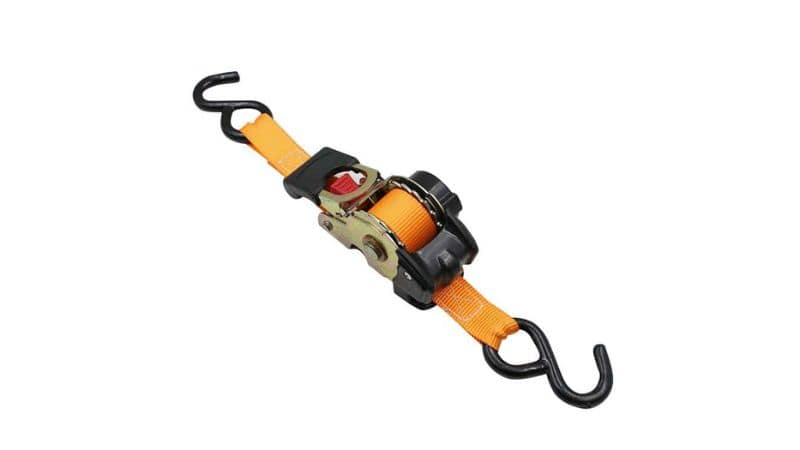
Riders often use retractable ratchet straps to stabilize ATVs and motorcycles inside a truck bed or trailer. These vehicles are constantly used to travel through different terrains and could catch on mud, dust and debris easily. The housings of retractable ratchet straps keep straps tidy and prevent loose ends from flapping during transport.
Before loading, they check that the working load limit (WLL) matches the bike’s weight. Using soft‑loop attachments around handlebars or frames avoids paint scratches or pressure marks. Each strap should anchor diagonally across the frame to prevent side‑to‑side shifting.
A basic setup includes:
| Position | Attachment Point | Purpose |
|---|---|---|
| Front Left/Right | Handlebars or fork area | Control forward movement |
| Rear Left/Right | Rear frame or footpeg mount | Prevent backward roll |
Securing Cargo on Trailers and Roof Racks
Retractable ratchet straps also help secure cargo like boxes, tools, or equipment on trailers and roof racks. The automatic retraction feature eliminates excess strap, reducing wind drag and noise.
Users should attach hooks to metal D‑rings or crossbars rather than plastic rails. Straps must lie flat across the load with even tension to prevent shifting or damage from friction. Wide straps distribute pressure better and protect softer items such as coolers or furniture.
When used on roof racks, it’s recommended to cross straps in an X‑pattern. This holds the load in place even if one strap loosens. Checking strap tension periodically—especially on long trips or in wet weather—helps maintain safe, steady transport.
Frequently Asked Questions (FAQ)
How many retractable straps do I typically need to secure a standard load?
The number of straps depends on the cargo’s weight, size, and center of gravity, and of course, the straps themselves. A good rule of thumb is to use at least one strap for every 10 feet of cargo length. However, for heavier or irregularly shaped items, you may need more to prevent shifting in any direction. Always ensure the combined working load limit of all straps exceeds the total weight of the load.
Are retractable ratchet straps better than traditional ones in every aspect?
No, because retractable ratchet straps also have disadvantages. While retractable straps excel in convenience, speed, and storage, they have limitations. Their main drawback is a fixed maximum length, which offers less flexibility than a traditional strap that can be used at any length up to its maximum. Additionally, the internal spring mechanism is a point of potential failure that traditional straps do not have.
Are retractable ratchet straps suitable for permanently securing a load outdoors?
Although designed for transport, retractable ratchet straps are not intended for long-term, static outdoor storage. Prolonged exposure to UV rays, rain, and extreme temperatures can degrade the polyester webbing and the internal spring mechanism over time. For permanent tie-downs, heavy-duty tie-down strap with UV-stabilized and weather-resistant properties are a better choice.