
In the rigging and lifting industry, heavy lifts and critical loads often impose a strict demand on the strength of wire rope. In these settings, the terminations installed at the end of the rope matter as much as the rope itself. That is where socket terminations like spelter sockets come into focus.
This article mainly explains how spelter sockets work, the main types in use today, and why certain jobs require different designs. What’s more, we will also cover installation methods, performance benefits, and how teams choose the right socket.
Understanding Spelter Sockets for Wire Rope
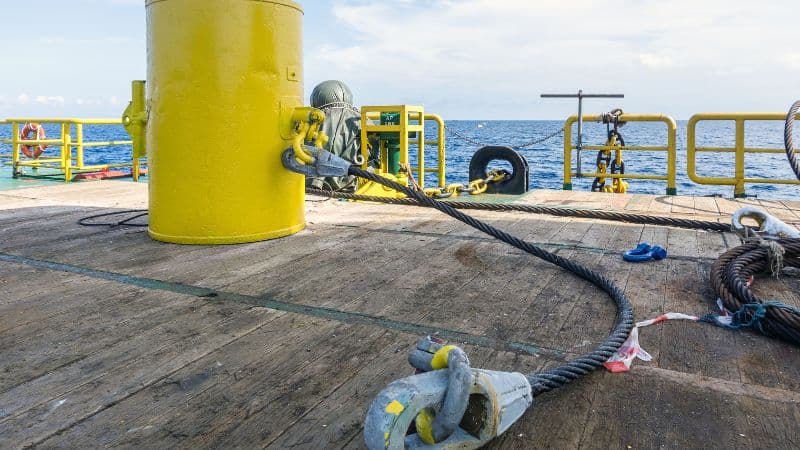
Definition and Core Function
A spelter socket is a type of fitting using specifically molten zinc to terminate the end of a wire rope. It forms a permanent connection that transfers load from the rope to a pin, shackle, or structure.
These wire rope sockets support very high load efficiency, often near the full breaking strength of the wire rope. This makes them common in construction, marine work, mining, and offshore rigging products.
Common forms include open sockets for adjustable setups and closed sockets for fixed installations. Both styles focus on load alignment, reduced stress, and long service life.
Materials: Forged vs Cast Steel
Manufacturers produce spelter sockets from forged steel or cast steel. Each material suits different load and environment needs.
Forged steel sockets offer high toughness, fatigue resistance, and consistent grain structure. They handle shock loads well and resist cracking under repeated stress.
Cast steel sockets allow complex shapes and controlled strength at a lower cost; with proper treatment and processing, they can also withstand dynamic or high-stress rigging.
Differences from Other End Fittings
Spelter sockets differ significantly from other common wire rope terminations like wedge sockets and swage sockets. The primary difference lies in how the connection is made and its best use.
| Feature | Spelter Socket | Wedge Socket | Swage Socket |
|---|---|---|---|
| Connection Method | Poured zinc or resin | Mechanical wedge | Hydraulic compression |
| Termination Type | Permanent | Reusable, adjustable | Permanent |
| Best For | Permanent, critical lifts in harsh environments | Temporary or changeable rigging | Permanent, precision assemblies; factory-made |
Types of Spelter Sockets
Open Spelter Socket
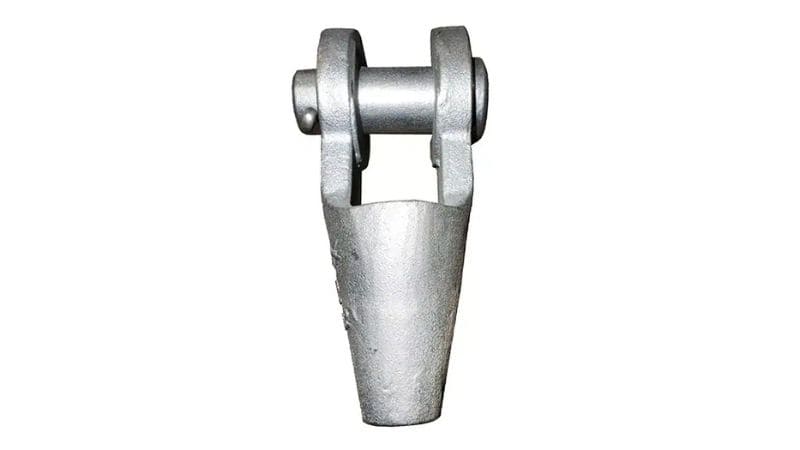
An open spelter socket, often called an OSS, uses a forked jaw and a removable pin or bolt. This design lets crews connect and disconnect the wire rope from other hardware without cutting the rope. It works well where equipment needs regular inspection or adjustment.
Open spelter sockets spread the load evenly through the rope once zinc or resin locks the strands in place. The open jaw also allows clear visual checks of the pin and connection point. These features make open spelter sockets common in lifting gear, cranes, and marine rigging.
Key features of open spelter sockets:
- Jaw-style connection with pin or bolt
- Easy removal from rigging hardware
- Strong and stable under high loads
Closed Spelter Socket
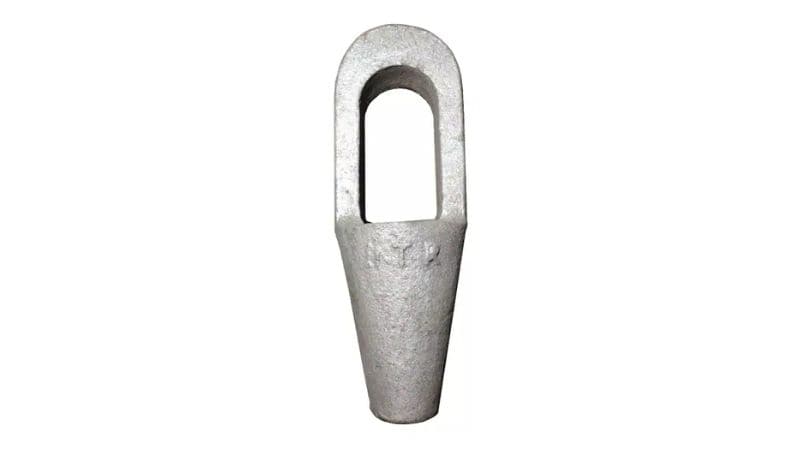
A closed spelter socket forms a solid eye with no opening or pin. This design creates a fixed connection that stays in place for the life of the rope. Installers use molten zinc or resin to secure the rope strands inside the socket.
Closed spelter sockets provide high strength and limit movement at the connection point. They suit long-term or critical installations where removal is not needed. Common uses include structural supports, anchor systems, and offshore lines.
Compared to open types, closed sockets offer fewer connection options but greater security. Many standards recognize them for demanding load conditions.
Socketing Methods: Attaching Sockets for Wire Rope Slings
Socket terminations alone are just a form of wire rope end, and they need to be combined with wire ropes to form wire rope slings, which are ready-to-use rigging hardware. Beyond zinc for spelter socketing, resin and epoxy socketing are also part of the industrial norms today.
Zinc Socketing
Zinc socketing uses molten zinc to bond the wire rope to the socket body. Installers heat the metal until it melts, then pour it into the socket around the prepared rope ends. As the material cools, it hardens and grips each wire strand.
This method creates a strong and rigid connection at the cost of a more complicated production process and equipment. It suits heavy lifts and long-term use, such as marine and bridge work.
Resin and Epoxy Socketing
Resin socketing uses special epoxy or resin compounds. The installer mixes the resin and pours it into the socket around the rope ends, then the resin cures at room temperature.
This method avoids high heat. It works well in field installations and confined spaces. Many resins resist moisture and chemicals, which helps in offshore or industrial sites. However, due to the property of resin and epoxy, these sockets should avoid flame and high temperature environment.
Key Benefits of Spelter Socket
High Efficiency and Even Load Distribution
Thanks to its poured construction, a properly installed socket termination can effectively preserve the wire rope’s original strength, with efficiency approaching the rope’s minimum breaking force. It is crucial to understand that this refers to the theoretical ultimate strength, not the force permitted in service. The actual safe Working Load Limit is typically only a fraction of the minimum breaking force (e.g., 20% when applying a 5:1 safety factor).
Such an even load distribution reduces stress points. It helps prevent strand breakage near the termination, which is a common failure area in other fittings. This quality matters most in critical lifts and long-span tension systems.
To sum up its benefits:
- Full use of rope strength
- Smooth transfer of force from rope to socket
- Reliable behavior under constant or shock loads.
Corrosion Resistance and Durability
Spelter sockets perform well in harsh environments. Zinc-filled sockets seal the rope end and block moisture. This protection limits internal corrosion where damage often goes unseen.
Manufacturers often add hot-dip galvanizing or use corrosion-resistant alloys. These features suit marine air, seawater spray, and chemical exposure.
Durability benefits include:
- Reduced rust inside the rope
- Better resistance to abrasion at the termination
- Longer service life in outdoor use
Permanent Connections and Safety
Spelter sockets, especially closed ones, create permanent connections. Once poured and cured, the socket does not loosen during use. This stability improves safety in high-tension systems.
Permanent terminations reduce the risk of human error. They do not rely on bolts, pins, or clamps that may loosen or install incorrectly. These qualities suit bridge cables, mooring lines, and fixed lifting points.
Safety-related advantages include:
- Predictable performance under load
- Strong resistance to pull-out
- Clear visual confirmation of proper installation
Rigging Applications for Spelter Sockets

Lifting and Hoisting Operations
Lifting and rigging is the most common application that sockets are designed for, which includes a wide range of application from many industries. Crews use them on crane lines, lifting slings, and raising lines that handle heavy loads.
Short lifts and long-term rigging both benefit from this piece of hardware. These sockets can be found in crane lifting and hoisting blocks, heavy equipment installation, structural steel lifts, industrial manufacturing, mining operations, and so on.
Mooring and Marine Uses
Marine systems use spelter sockets for mooring lines, towing lines, and anchor connections. Saltwater, motion, and constant tension put stress on wire rope. The sealed bond inside a closed socket helps protect the rope end from corrosion.
Shipyards and offshore platforms often choose spelter sockets for permanent mooring. The design handles steady loads and shock loads from waves. Marine crews also value easy visual inspection at the socket neck.
The typical marine applications include ship and barge mooring, offshore platform anchoring, tug and tow lines, etc.
Suspension Systems and Structural Strand
Engineers use spelter sockets in suspension systems and structural strand assemblies. Bridges, towers, and roof supports rely on exact load transfer, because these systems need stable terminations that support long spans and constant tension. The socket allows the strand to reach its rated strength without crushing the wires.
Closed sockets dominate permanent structures. They seal the rope end and limit movement. This helps control stretch and alignment over time.
They can be found in structural components such as bridge suspension cables, stay cables on towers, large roof support strands, and more.
Selecting the Right Spelter Socket
Wire Rope Assemblies and Sizes
Spelter sockets must match the wire rope assemblies they terminate. The rope diameter, construction, and grade set the base limits for the socket. Be sure to use manufacturer tables to pair rope sizes with the correct socket size, and follow the rated capacity for the exact wire rope type, such as EIPS or similar grades.
Key checks
- Rope diameter and tolerance
- Rope construction (strand count and lay)
- Socket type: open, closed
- Rated load for the full assembly
Choosing for Specialized Environments
Work conditions shape socket choice. Marine and offshore jobs need corrosion resistance, and hot-dip galvanized or stainless options perform better around saltwater.
High heat, chemicals, or abrasion call for sealed designs. Closed spelter sockets protect the poured end from moisture and grit. Temporary rigging benefits from open sockets because crews can reconfigure them faster.
Common environments and choices
| Environment | Preferred Features |
|---|---|
| Offshore | Closed socket, corrosion coating |
| Mining | Sealed end, high load rating |
| Construction | Open socket for adjustment |
| Permanent anchors | Closed or swaged socket |
Testing and Certification Standards
A reliable rigging manufacturer will always conduct thorough inspections with dedicated teams under the Total Quality Control (TQC) management system before shipping, as this process ensures the quality of the products.
Certifications are also another indicator of the manufacturer’s capability. Choose suppliers that meet recognized standards such as ISO, CE, GS, TUV, or other industry norms.
What to verify
- Proof test results for the assembly
- Compliance with stated standards
- Clear load ratings and use limits
- Written installation instructions
Conclusion
In summary, while the spelter socket is a fundamentally robust component, its true reliability is realized only through precise selection, correct installation, and rigorous quality assurance.
Meeting these demands requires more than just knowledge—it requires a trusted partner with proven expertise, and Grandlifting provides the critical link. Leverage our OEM/ODM capabilities and deep industrial experience for termination solutions. Contact us to learn more!
Frequently Asked Questions (FAQs)
Is specialized training required to install a spelter socket?
Yes, particularly for zinc-sealed sockets. Proper installation is highly technical and critical for safety. Training covers precise rope preparation (brooming, cleaning), correct pouring techniques for zinc or resin, and controlled curing. Untrained installation can lead to catastrophic hidden failures, as the bond’s integrity cannot be visually verified after pouring.
How can I tell if a spelter socket needs inspection or replacement?
Look for cracks in the socket body, significant corrosion (especially in the basket or eye), evidence of the zinc plug receding or leaking, and deformation of the eye. Any movement or slippage of the wire rope at the socket entry point is a critical failure sign requiring immediate replacement.
How do choose between spelter sockets and wedge sockets?
Spelter sockets are permanent, high-efficiency terminations best for critical, long-term, or maximum-load applications. Wedge sockets create a mechanical grip and are reusable and adjustable, but they reduce wire rope efficiency (typically to 75-80%) and are more prone to corrosion at the wedge point. Wedge sockets are often used for temporary rigging or where frequent reconfiguration is needed.