
Cutting wire rope isn’t as simple as grabbing any tool and slicing through. The process needs care, the right equipment, and the correct steps to prevent damage to the rope and ensure safety.
Knowing which tools to use and how to use them makes the job easier and leads to neater, more reliable results. With the right approach and simple precautions, anyone can achieve a smooth cut and keep their project on track.
Tools for Cutting Steel Wire Rope
Having the right tools and equipment is necessary for cutting wire rope safely and accurately. Proper tools reduce fraying, help make clean cuts, and protect both the wire and the operator.
Selecting the Right Wire Rope Cutter
A wire rope cutter or cable cutter is the best tool for most wire rope jobs. These cutters are built with strong, sharp blades designed for steel cables. They create a flush, even cut to prevent fraying and loss of strength. Using dull, old, or weak cutters can crush the wire and leave dangerous sharp ends. Always match the cutter to the rope size. Most wire rope cutters have a notch in the blade to keep the rope in place and can handle cables up to about 3/8 inch in diameter. Larger ropes may need specialized cutters or hydraulic models for thicker cables.
Some key features to look for:
- Hardened steel blades
- Well-fitted, non-slip handles
- A safety latch or lock
- Built-in return spring to make repeated cuts easier
Using Bolt Cutters and Alternatives
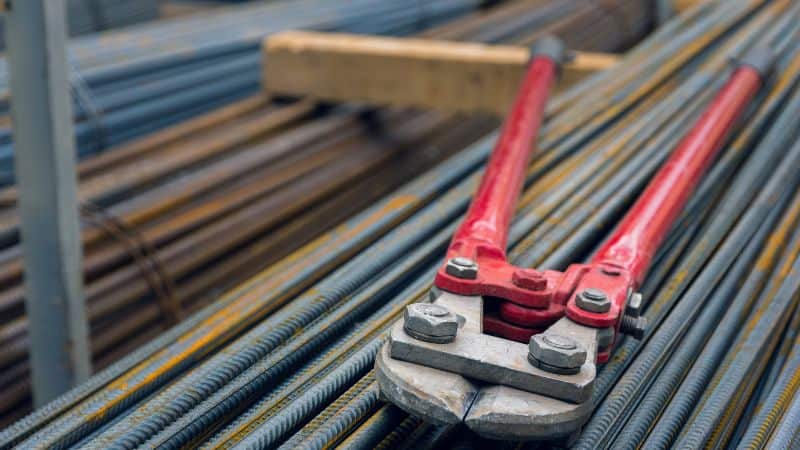
Bolt cutters are a common choice for thicker or very tough wire rope. They use long handles to create leverage and cut through large or hard steel wires. Standard bolt cutters can usually manage ropes up to 1/2 inch thick. Oversized hydraulic or pneumatic cutters may be needed for industrial cables.
However, bolt cutters often crush the rope and leave behind abrasive surfaces. For small-diameter cable, diagonal pliers and chop saws might work, but they are only suitable for soft wire and low-volume tasks. A hacksaw is another backup option, but it needs a steady hand and leaves a rougher end. Always secure the wire rope before using any alternative method.
Supporting Equipment: Vise, Pliers, and Vise Grips
Supporting tools make wire rope cutting safer and more precise. A vise is important for holding wire rope steady so it doesn’t move or spin while cutting. It keeps both hands free to operate the cutter. For smaller tasks, vise grips or locking pliers can clamp the rope without a bench-mounted vise.
When taping the rope before cutting, pliers help keep strands together and prevent splaying or uneven cuts. Acting as a “third hand,” these tools help you line up cuts better and avoid injury. Tightly securing the wire prevents slipping or mistakes, especially with heavier rope.
Common supporting tools:
- Bench vise for stable holding
- Vise grips/locking pliers for portable jobs
- Needle-nose pliers for holding thin strands during taping
- Masking or electrical tape to reduce fraying
Personal Protective Equipment (PPE) Requirements
Personal protective equipment (PPE) is required to safely cut wire rope. Heavy-duty gloves protect hands from sharp strands and burrs left after cutting. Gloves also give a better grip on tools and wire rope. Safety goggles or glasses protect eyes from flying metal fragments, especially when cutting with force or using tools like bolt cutters. Small pieces can travel quickly and cause injuries before you react.
Close-toed shoes protect feet from dropped tools or rope. For bigger cutting jobs, wearing long sleeves reduces the chance of cuts to the arms. Keep loose clothing tucked away to avoid it catching in moving tools.
An example PPE checklist:
- Safety goggles
- Cut-resistant or leather gloves
- Sturdy shoes or boots
- Long sleeves and fitted clothing
Always check tools and safety gear before starting to make sure there are no defects. Proper PPE helps prevent most common injuries that happen during wire rope cutting.
Preparation and Safety Measures
Before cutting wire rope, it is important to focus on careful inspection, a safe workspace, and accurate marking. Paying close attention to these steps helps prevent injuries and leads to a cleaner, more precise cut.
Inspecting and Measuring Wire Rope
Begin by thoroughly checking the wire rope for any signs of fraying, corrosion, or broken wires. Damaged rope can snap or react unpredictably during the cutting process. If the wire rope is under tension or attached to equipment, release all tension and disconnect it before handling. Uncontrolled tension can cause sudden movement, increasing the risk of injury.
Then, measure the required rope length using a sturdy measuring tape. Record the exact measurement to avoid waste and mistakes.
Marking the Cut Location
Accurate marking ensures the cut is made at the correct point, reducing error. Use a thick marker or colored tape to mark the measured cut location so it’s easy to see. For better accuracy, especially with thicker wire rope, use a scribe or sharp tool to score a shallow guide all the way around the rope where you intend to cut.
Wrap electrical tape or masking tape tightly around the spot you plan to cut. This not only helps prevent the rope from fraying during the cut, but also provides a straight reference line. Double check all marks with a ruler or tape measure before cutting. Any mistake here can be hard to fix after the wire rope is cut.
Cutting Techniques and Methods
Cutting wire rope requires the right tools and proper steps to achieve a safe, clean result. Choosing the correct method can depend on the rope’s thickness, the tools available, and how important it is to prevent frayed ends.
How to Cut Wire Rope with Specialized Tools
Specialized wire rope cutters are made to cut cleanly through steel cables without flattening or crushing them. To use them, start by clamping the rope tightly in a vise to keep it from slipping. Next, align the cutter’s jaws with the mark and squeeze the handles firmly for a single clean cut. For thick cables, bolt cutters with strong, hardened jaws can be used, but always check if the tool is rated for steel rope—using regular pliers or side cutters may damage both the rope and tool.
Wire rope cutters work best for regularly cutting and when a tidy, professional result is needed, such as in construction or marine work.
Using Hacksaw and Other Manual Methods
Sometimes, wire rope must be cut without specialized cutters. A hacksaw or chop saw is a good option for this, especially for thicker ropes or when only basic tools are available.
First, secure the rope tightly. Then, with a fine-toothed hacksaw blade, saw slowly and steadily along the mark. Avoid rushing, as this prevents strands from spreading or getting jagged. This method works but can take more time and requires patience.
Other manual tools like strong pliers might work on very thin wire, but this is not recommended for anything thicker, as the cut will be rough and edges will likely fray or stick out dangerously. Always choose a tool meant for the size and type of wire rope in use.
Finishing and Maintaining Cut Ends
Handling the ends of cut wire rope is important to prevent fraying, keep the rope strong, and make future use safer. Taking correct steps helps stop wires from sticking out and makes attaching hardware easier.
Applying End Fittings and Ferrules
After cutting wire rope, the exposed end should be prepared for use or storage. A common method is to apply a metal ferrule or fitting, often called a swage sleeve. This is slid onto the end of the rope and compressed tightly using a special tool, such as a swaging tool or hydraulic press. The ferrule keeps the strands from separating and makes the end smooth.
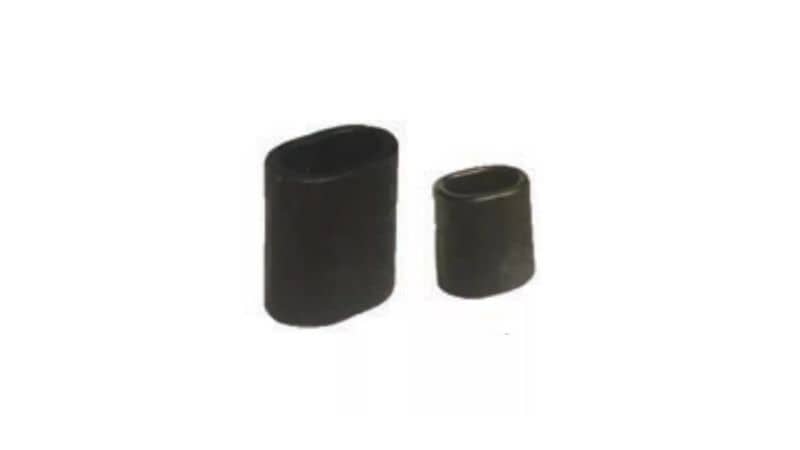
Steel Oval Wire Rope Swage S-506
Another option is using a wire seizing technique. This involves wrapping a small piece of soft wire or strong tape tightly around the end before or right after cutting. Wrapping with tape can help prevent fraying until a more permanent fitting is installed. For ropes meant to be attached to hooks, rings, or thimbles, adding these attachments at the cut end is usually done right after cutting to ensure a secure hold.
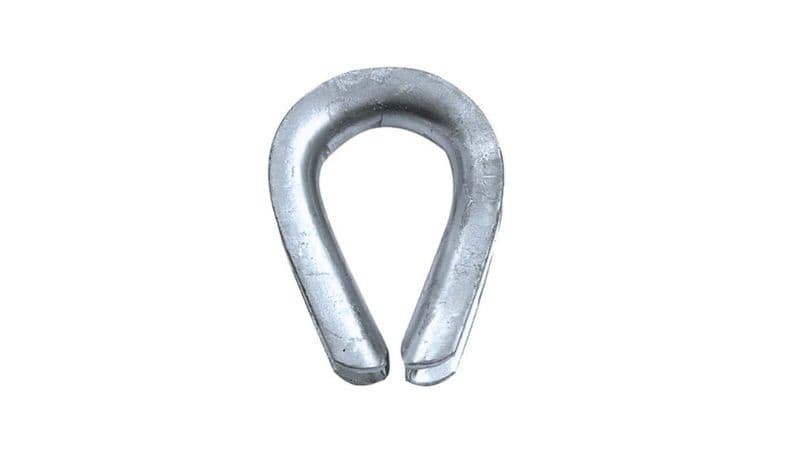
1/4 Wire Rope Thimble
Inspecting and Cleaning the Cut Area
As soon as the wire rope is cut, carefully check the end for sharp edges, loose wires, or uneven strands. Use a metal file or sandpaper to smooth any rough spots. If any wires are sticking out, trim them flush with the main bundle using small cutters. If the cut end will not be used right away, consider applying a small amount of light oil or a weather-resistant sealant to protect it from moisture.
Frequently Asked Questions
Can you use an angle grinder to cut wire rope, and how do you do it?
An angle grinder can cut wire rope if specialized cutters are unavailable. To do this, secure the wire rope tightly in a vise and wrap tape around the cut point to prevent fraying. Use a thin metal cutting disc and cut slowly through the taped section, taking care to avoid overheating and causing burrs.
What techniques are effective for cutting wire rope without specialized tools?
If wire rope cutters are not available, bolt cutters or a fine-toothed hacksaw can be used. Always tape the area where you plan to cut to avoid fraying. Secure the rope and cut slowly for more control. Using a file afterwards can help smooth any sharp edges left by the alternative tool.
How can you cut thick wire cable cleanly without using wire cutters?
For thick wire cables, bolt cutters are often the best option. Place tape on the section to cut and position the cable firmly between the cutter’s jaws. Apply steady, even pressure until the cable separates. If fraying is an issue, using two cuts (one on each side of the tape) can help.