
Securing heavy cargo on a trailer or flatbed requires the right tools, and a winch strap is one of the most reliable options available. A winch strap works by tightening over cargo and locking into a winch, keeping loads stable and safe during transport. This simple system makes it easier to handle large or awkward items without relying on chains or bulky hardware.
In this guide, we at Grandlifting will explain to you how to use a winch strap step by step, from attaching the hook to tightening the load. It also covers best practices for securing cargo, along with safety and maintenance tips that extend the life of the straps. With these details, handling winch straps becomes a straightforward task that keeps both the cargo and the transport vehicle safe.
Understanding Winch Straps
Winch straps serve as an essential tool for securing heavy cargo on flatbed trailers and other hauling setups. They rely on durable webbing, strong hooks, and winch mechanisms to keep loads stable during transit. Their design, materials, and variations determine how well they perform in different hauling situations.

1″ LC 100% Polyester Flatbed Winch Strap With Flat Hook
What Is a Winch Strap?
A winch strap is a type of tie down webbing designed to secure cargo tightly to a trailer or flatbed. Unlike recovery straps, which are used to pull vehicles, winch straps are built for holding loads in place.
They are typically 2 to 4 inches wide and 27 to 30 feet long, giving them enough reach to cover large or bulky items. The strap works by threading through a winch mechanism, which applies tension to lock the load down.
Winch straps are favored in trucking and freight transport because they provide a strong hold without adding unnecessary weight. They also reduce the risk of damage to cargo compared to chains or wire rope, which can leave marks or dents.
Key Components and Materials
The main material used in winch straps is polyester webbing. This fabric offers high strength, resistance to stretching, and durability against harsh weather. Polyester is also less abrasive on cargo surfaces compared to metal chains.
Common components include:
- Flat hook or wire hook: attaches the strap to the trailer frame or anchor point.
- Webbing: the long polyester strap that spreads tension across the cargo.
- Winch mechanism: mounted on the trailer, it tightens the strap by winding the webbing.
Polyester webbing is preferred because it resists UV damage, moisture, and abrasion. This makes it reliable for long-distance hauls where straps face constant exposure to outdoor conditions.
Preparing for Use
Safe and effective use of winch straps begins with proper preparation. This includes checking the condition of the straps and equipment, evaluating the cargo and trailer setup, and confirming that the working load limit matches the job requirements.

1″ LC 100% Polyester Flatbed Winch Strap With Flat Hook
Inspecting Straps and Equipment
Before securing any load, the user should carefully inspect the winch straps. Hardware such as hooks and ratchets should also be checked. Ensure that hooks are not bent, cracked, or rusted. The winch drum should rotate smoothly without obstruction.
Assessing Cargo and Flatbed Trailers
The type of cargo and the design of the flatbed trailer determine how the winch straps should be applied. Large or uneven loads may require corner protectors to prevent straps from cutting or rubbing against sharp edges.
Flatbed trailers often have multiple anchor points. Selecting the correct anchor point ensures the strap pulls evenly and holds the load securely. Check that anchor points are free from cracks or corrosion. A damaged anchor point can compromise the entire securement system. Proper alignment between the trailer bed and the cargo also reduces shifting during transport.
Determining Working Load Limit
Every winch strap has a working load limit (WLL), usually printed on a tag or label. The WLL indicates the maximum weight the strap can safely handle. Using a strap beyond this limit increases the chance of breakage.
To calculate the required WLL, divide the total cargo weight by the number of straps being used. Each strap must meet or exceed that value. For example:
| Cargo Weight | Number of Straps | Minimum WLL per Strap |
|---|---|---|
| 8,000 lbs | 4 straps | 2,000 lbs |
How to Use a Winch Strap: Step-by-Step Process
A winch strap secures cargo on a flatbed trailer by anchoring the webbing to the trailer frame, pulling it over the load, and tightening with a winch mechanism. Proper use prevents shifting during transport and reduces the risk of damage to both the load and the trailer.
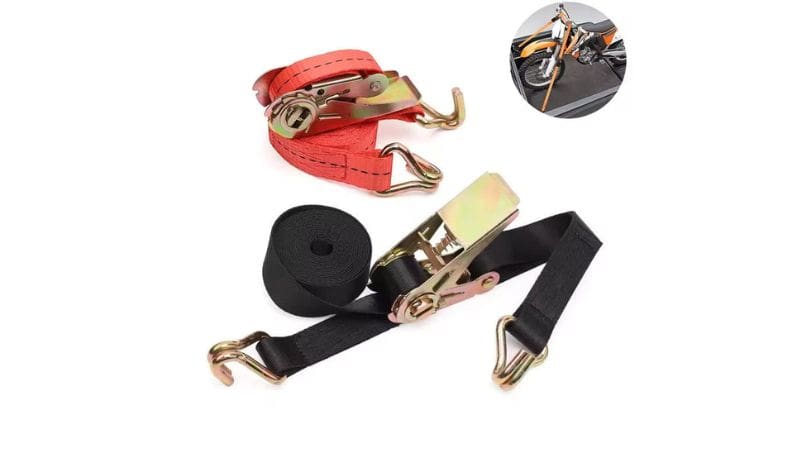
1″ LC 100% Polyester Flatbed Winch Strap With Flat Hook
Attaching the Strap to the Trailer
The strap usually comes with a flat hook or similar fitting at one end. This hook must connect to a strong point on the trailer, such as a side rail, stake pocket, or D-ring. Drivers often double-check that the hook sits flush against the mounting point. If available, using a rub rail helps protect the strap and keeps it in place.
It is important to avoid attaching the hook to weak or thin parts of the trailer. The strap’s strength depends on the stability of its anchor point.
Securing the Load with Webbing
After attaching the hook, the webbing should be pulled across the cargo. The strap must lay flat without twists, as twists reduce strength and create uneven pressure on the load.
The strap should be positioned so that it presses down firmly on the heaviest and most stable parts of the cargo. For oddly shaped loads, multiple winch straps may be needed to prevent shifting.
Sharp edges on cargo can cut into the webbing. To prevent damage, edge protectors or padding should be placed where the strap contacts corners or rough surfaces.
Tightening with a Winch Bar
The free end of the strap is fed into the winch spool mounted on the trailer. Excess slack should be pulled through by hand before tightening.
Most flatbed trailers use a winch bar for tightening. The bar is inserted into the winch and turned to apply leverage, pulling the strap tight. This method ensures consistent tension that cannot be achieved by hand alone.
The strap should be snug but not overtightened. Excessive force can damage both the webbing and the cargo. Once tightened, the winch bar should be removed carefully to avoid sudden release.
Releasing and Adjusting the Strap
At the destination, the winch must be loosened before the strap can be removed. The winch bar is again used to release tension slowly and safely. Quick or uncontrolled release can cause injury or allow the strap to snap back.
Once loosened, the webbing is pulled free from the cargo and unhooked from the trailer. Any twists or knots should be cleared before rolling the strap for storage.
A strap winder can be used to roll the webbing neatly. Proper storage prevents tangling and extends the life of the winch strap for future use.
Maintenance, Storage, and Safety Tips
Winch straps last longer and work more safely when they stay clean, dry, and free from damage. Regular checks, proper storage, and timely replacement prevent failures that could put loads or people at risk.
Cleaning and Inspecting Winch Straps
Dirt, oil, and road debris can weaken tie down webbing if left untreated. Cleaning the straps with mild soap and water helps remove buildup without harming the fibers. Avoid harsh chemicals or bleach since they can break down the material.
Inspection should take place before and after each use. Look for cuts, fraying, broken stitching, or melted fibers caused by friction or heat. Hardware such as hooks and ratchets should also be checked for rust, cracks, or bending.
A good practice is to run hands along the strap while looking for rough spots or thinning areas. Any strap showing major wear should be set aside immediately. Consistent inspection lowers the chance of sudden failure during transport.
Proper Storage Methods
Moisture, sunlight, and extreme temperatures shorten the life of winch straps. Store them in a dry, cool location away from direct UV light, which can weaken webbing over time. A sealed container or storage bag keeps them safe from dust and water.
Straps should not be left on the trailer or truck bed when not in use. Prolonged exposure to rain or snow can cause mold and mildew. Hardware can also rust if stored in damp conditions.
When to Replace Your Straps
Even high-quality winch straps have a limited lifespan. Replacement is necessary when webbing shows damages that reduce strength. Straps with damaged or missing stitching should not be used. Hardware issues also require replacement. Bent hooks, cracked ratchets, or corroded fittings can fail under tension. In some cases, replacing just the hardware is not enough since the strap and fittings work as a unit.
If straps are used daily or exposed to harsh conditions, they may need replacing sooner. Keeping a log of purchase dates and inspection notes helps track condition and avoid using unsafe equipment.
Frequently Asked Questions
What is the correct method to thread a winch strap?
To thread a winch strap, feed the loose end through the slot in the winch drum from the inside out. Pull the excess strap through until only a short length remains. Make sure the strap lies flat and straight before winding to avoid twisting or overlapping.
Can winch straps be used without hooks, and if so, how?
Yes, some winch straps can be looped through stake pockets, side rails, or other secure points if hooks are not present. The strap end should be threaded back into the winch drum to lock it in place. This method works when the anchor point allows a firm grip.
What is the best way to untangle a winch strap before use?
Lay the strap flat on the ground and pull it out fully to remove twists. Work from one end to the other, smoothing the strap as you go. Rolling it neatly after each use helps prevent tangles the next time it is needed.